When I was a kid, I absolutely adored Souplantation and Sweet Tomatoes, those sprawling soup-and-salad buffets where, for a certain kind of child (me), the prospect of choosing from several enormous vats of soup constituted a genuinely thrilling night out.
I did, however, have one complaint: I always thought the selection of soup toppings was a little lacking. There was an entire salad bar’s worth of crunchy, salty, fresh and otherwise interesting things just a few feet away. Why weren’t more of them invited to the soup party? Eventually, I began making little trips between the two, returning to my bowl with whatever seemed promising.
I suppose what I’m saying is that I’ve been a soup maximalist for a very long time.
This shouldn’t surprise anyone familiar with my feelings about salads, which I also believe should contain a frankly unreasonable number of interesting things. In fact, my dream remains more or less unchanged from childhood: I’d like a salad bar, please, but for soup.
This is partially a texture thing. Even the most beautifully flavored soup can become a little monotonous after several spoonfuls of softness. Give me something crackly, crispy or crunchy to interrupt the proceedings! But it’s also about flavor, and the small pleasure of making an ordinary meal feel a little special.
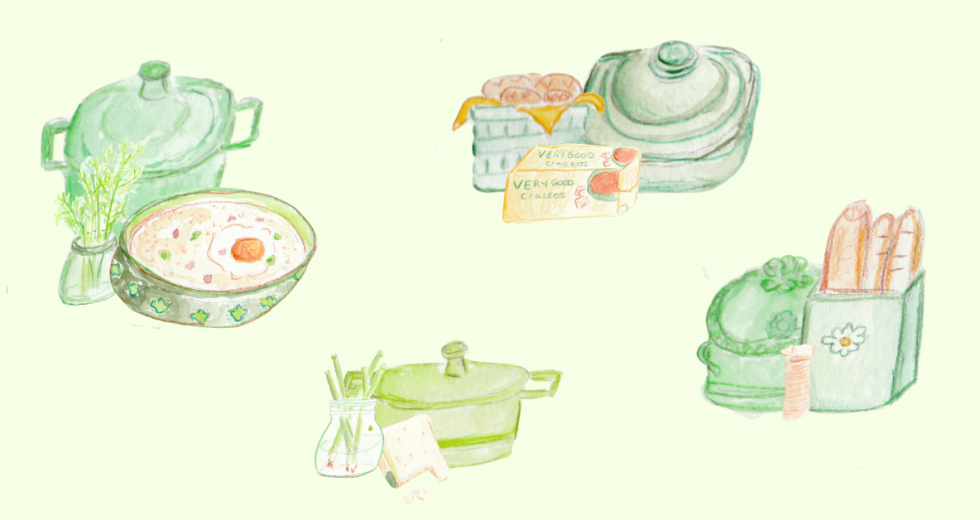
One of my favorite lessons to borrow from good restaurant kitchens is that the best don’t treat anything on the plate as an afterthought. Everything has a job to do. I think soup deserves the same consideration. And no, I’m not here to malign crackers (I have a full issue on party crackers, after all!) or croutons, both of which I love. I’m simply suggesting that we give them — and everything else we might put on a bowl of soup — a little more thought.
Lesson 1: Build your bowl in three moves
Over the years, I’ve developed a loose formula for dressing up soup. Think of it as three levels of deliciousness, with full permission to stop whenever you’re satisfied.
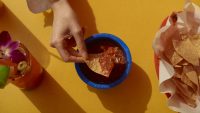
First, start with texture. This is my nonnegotiable. Fried garlic or shallots, toasted pepitas, crispy bacon, a handful of crushed Ruffles or Fritos, tortilla strips, lacy rounds of Parmesan frico: All are welcome. The goal is to give your spoon something interesting to encounter beyond the usual soft, silky or brothy textures.
And sometimes the simplest toppings just need a little augmentation. Try tossing croutons in brown butter before scattering them over butternut squash soup, or dusting tortilla chips with ranch seasoning before putting them on chicken-corn chowder.
Next, add brightness or freshness. A little lemon juice or zest, chopped scallions, fresh herbs, a tangy dollop of labneh or yogurt, or something pickled can bring a rich bowl of soup into focus. Think about what would cut through the richness or wake up the flavors already there.
Finally, introduce a plot twist. This is where things can get a little weird, in the best way. Chili crisp, hot honey, an assertive cheese, a little funk, or a hit of unexpected spice. I particularly love cheeses with personality on starchy soups: something smoky, salty or wonderfully soft and bloomy.
You don’t need to hit all three levels every time. Sometimes one perfectly chosen topping does the job. But learning to think about these elements individually makes it easier to build combinations that actually work together.
Lesson 2: Make the toppings your kitchen project
Consider the deli-style creamy chicken-and-rice soup I love unabashedly. It’s one of my favorite soups, period, and I’ve spent an unreasonable amount of time figuring out different ways to dress it up.
One evening, I decided to outsource the soup itself and make the toppings my kitchen project instead.
I cut little quarter-sized rounds of puff pastry, brushed them with butter and seasoned them with dried thyme, onion and garlic powder, and an almost comical amount of black pepper. Into the oven they went. Meanwhile, I muddled together a loose, chermoula-adjacent green sauce of parsley, scallions, lemon zest, lemon juice and good olive oil.
Once the pastry dots were golden and puffed, I scattered them over the hot soup, drizzled everything with the green sauce and finished with shreds of Parmesan.
It was a spectacular dinner. And, importantly, I didn’t have to make the soup.
Sometimes, of course, I want to spend an entire day making stock and noodles and the bread to go alongside. Other times, I want to spend 15 minutes making something that someone else cooked feel a little more like mine. Both are perfectly good ways to spend an evening in the kitchen.
This is also my favorite trick for reviving leftovers. A big pot of soup might last you three or four days, but that doesn’t mean you need to eat the exact same bowl three or four times. Change the toppings, change the experience.
Lesson 3: Make your own edible confetti
Because I am fundamentally a clever-assembly girl, I’ve begun treating soup toppings almost like spice blends.
I call them edible confetti.
I keep little deli tubs of crunchy things around, some in the pantry and others in the refrigerator, depending on what they contain. Sometimes they’re individual ingredients; other times, once I’ve found a combination I love, I start making it regularly.
Spiced pepitas, fried shallots and tortilla strips, for instance, make an excellent little trio. So do crispy bacon and toasted breadcrumbs, finished with fresh scallions just before serving. Cashews, crispy garlic and fried shallots? Spectacular on congee.
The trick is to find a few combinations that suit the soups you eat most often and keep their components handy. Store dry, crunchy blends separately from fresh or moist ingredients so nothing loses its texture before dinner.
And don’t assume that any of this needs to be made from scratch. The Asian supermarket is a treasure trove of ready-made crispy bits. The snack aisle is full of possibilities. Yesterday’s bread, the last handful of nuts in the pantry or a few slices of pepperoni that could be crisped in a skillet might be exactly what tonight’s soup needs.
Once you’ve found a combination you love, make it again! Give it a name, even. There’s something quite satisfying about having a little house blend you know will make dinner better.
Want more great food writing and recipes? Sign up for Salon’s free food newsletter, The Bite.
Your soup-topper cheat sheet: 30 things to try
If your soup-garnishing repertoire currently begins and ends with a sleeve of crackers, consider this a starting point. Pick a few things that sound good, experiment with combinations, and see what sticks.
-
Brown-butter toasted breadcrumbs
-
Lacy Cheddar or Parmesan frico
-
Black-pepper puff pastry dots
-
Crushed ridged potato chips
-
Ranch-dusted tortilla strips
For brightness and freshness
-
Fresh dill and minced cornichons
-
A muddled parsley-scallion green sauce
For richness, heat and unexpected personality
-
Browned butter with crispy sage
-
Brie crostini with balsamic reduction
My little assignment for you this week: Find two or three toppings beyond your usual bread, crackers or croutons that genuinely delight you. Then start playing with combinations.
Maybe you’ll discover your own favorite edible confetti. Maybe you’ll find that a little chili crisp and a handful of scallions are all you need to look forward to the third consecutive day of the same soup.
Either way, I hope you’ll give your next bowl a little drama.
It deserves it.
This story originally appeared in The Bite, my weekly food newsletter for Salon. If you enjoyed it and would like more essays and recipes — including the puff pastry dots and lemony green sauce mentioned above — sent straight to your inbox, subscribe here.
Read more
from “The Bite”
Source link